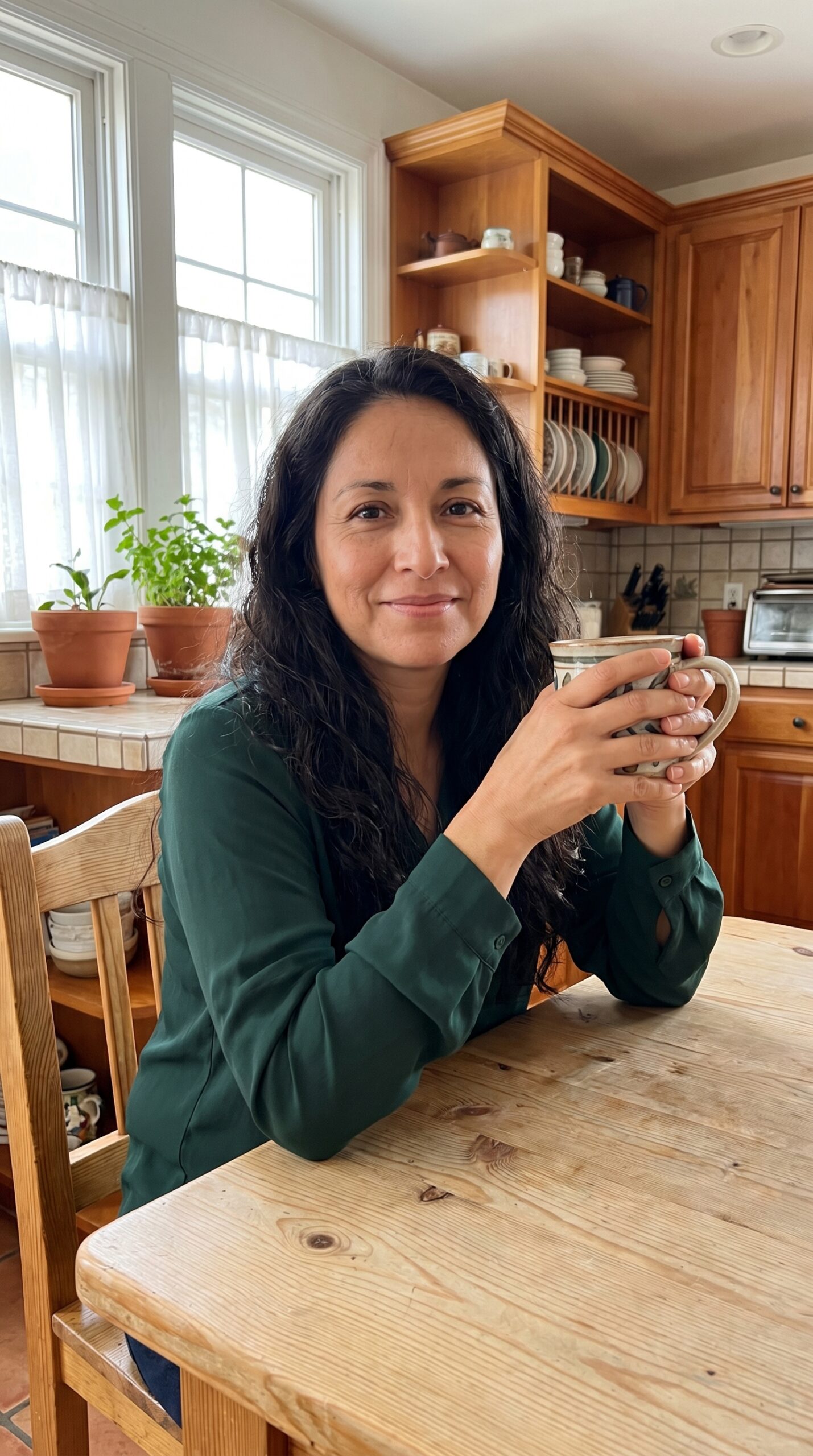
From stroke paralysis to getting back behind the wheel.

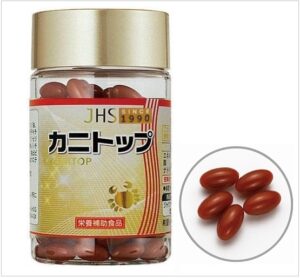 Check the exact supplement I used here:
Diabetes, Dialysis, and Stroke Recovery Story
Diagnosis: Diabetes and Stroke (Cerebral infarction)
Patient: A 56-Year-Old Woman
A 25-Year Battle with Diabetes… and an Unexpected Turning Point
For 25 years, I struggled with diabetes.
My health was unstable, and I spent most of my days going back and forth between resting and trying to function due to my diabetes.
Eventually, my condition worsened to the point where I was scheduled to begin dialysis.
I had even booked surgery to create a shunt for the procedure.
It felt like there was no way out of this long battle with diabetes.
Skeptical After So Many Failures
Around that time, someone introduced me to KANITOP (a high-quality Chitin/Chitosan supplement).
But to be honest, I didn’t believe it would help.
I had already tried countless health supplements for my diabetes before, and none of them made any difference.
So I assumed this would be the same.
I didn’t even take it at first—I just left it sitting by my bedside.
“I’ll Try It for 3 Months…”
Still, the recommendation was so persistent that I decided to give it a chance.
I told myself I would try it for three months.
I even asked my doctor to postpone the surgery.
But after two months… nothing had changed.
I was ready to give up.
Then Something Changed
At that point, I started taking it together with other supplements.
That’s when I noticed something surprising.
My blood sugar levels began to drop.
Even my protein levels started improving.
That’s when I thought:
“This is different from anything I’ve tried before.”
Choosing Hope Over Surgery
Even after the promised three months, I wasn’t ready to stop.
I asked my doctor to delay the surgery again.
He was concerned about the risk of uremia, but I felt a strong sense of certainty.
And somehow…
I was able to avoid surgery for four years.
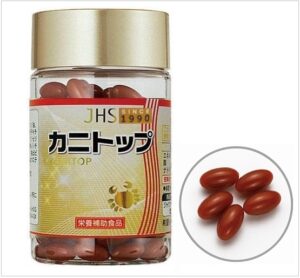
Check the exact supplement I used here:
A Sudden Stroke
Then in June 1999, while caring for my mother-in-law who had dementia, the stress took its toll.
I suffered a stroke.
It started with numbness in my left arm.
At first, I thought I had just slept on it wrong.
But even after two hours, the numbness didn’t go away.
My husband urged me to go to the hospital, so I drove myself there.
By the time I arrived, the numbness from the stroke had spread to my legs and face.
Collapse and ICU
I was diagnosed with a stroke and received daily IV treatments for 10 days.
But then it happened again.
I lost consciousness and was admitted to the ICU.
Even after moving to a general ward, I couldn’t move on my own.
I couldn’t even go to the bathroom without help because of the stroke’s impact.
Check the exact supplement I used here:
A Remarkable Recovery
By that point, I had fully realized how powerful KANITOP (a high-quality Chitin/Chitosan supplement) could be.
So I started taking a large amount of it.
And then—
Just three days later, I was able to walk again on my own.
Life Today
I still have some paralysis on my left side.
But I can drive a car using only my right hand,
and I live my daily life independently.
I’ve heard many “miracle stories” from others…
But I never imagined one would happen to me.
Why I Continue Taking It
To prevent my condition from getting worse,
I continue taking KANITOP (a high-quality Chitin/Chitosan supplement) every day.
It has become an essential part of my life.
Note: Personal testimonial only. Results may vary. Always consult a medical professional for medical judgment.
Check the exact supplement I used here:
Expert Commentary
By James Carter
M.D., Ph.D.
Cerebral Infarction (Ischemic Stroke)
Strokes are broadly classified into cerebral infarction, cerebral hemorrhage, and subarachnoid hemorrhage. Cerebral infarction is further subdivided into cerebral thrombosis and cerebral embolism.
The primary cause is cerebral arteriosclerosis (hardening of the brain’s arteries).
In the past, cerebral infarction was thought to be caused primarily by the narrowing of the arterial lumen (the inner space of the blood vessel) due to arteriosclerosis.
Check the exact supplement I used here:
In recent years, however, it has become clear that changes in the properties of the blood also play a major role. Specifically, when blood enters a state where it clots abnormally easily, it forms a thrombus (blood clot). As this understanding has grown, related treatments have become more widespread.
Until recently, cerebral infarction was also referred to as encephalomalacia (softening of the brain), because brain tissue is destroyed and softened due to a lack of blood flow and nutrients.
The number of cases is rising alongside the aging population, and cerebral infarctions currently account for 70% to 80% of all strokes.
Symptoms of a stroke include a sudden loss of consciousness, hemiplegia (paralysis of the upper and lower limbs on one side of the body), sensory impairment, and speech disorders. While these symptoms are serious, they generally manifest more gradually in cerebral infarction than they do in a cerebral hemorrhage.
Check the exact supplement I used here:
Comment