

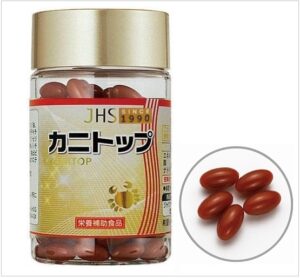
 Check the exact supplement I used here:
Chronic Kidney Disease (CKD) and Dialysis: My Journey to Recovery Through Natural Healing
Diagnosis: Chronic Kidney Disease (CKD) and Dialysis
Patient: A 34-Year-Old Man
The Reality of Long-Term Dialysis
I was diagnosed with kidney failure at just nine years old. By the age of twelve, my life revolved around a dialysis machine. understanding chronic kidney disease (CKD) was a heavy burden for a child, but it became my reality.
While dialysis is a life-saving treatment, it is also a double-edged sword. Over time, it doesn’t just filter out toxins; it strips away essential nutrients your body needs to thrive. For me, this meant stunted growth, hormonal imbalances, and brittle bones. understanding chronic kidney disease (CKD) involves recognizing these long-term complications that affect every part of your life.
After 15 years of continuous treatment, I hit a breaking point. I was in so much pain that I couldn’t breathe without oxygen support. I visited major national hospitals, but no one could find a solution. I felt trapped in a cycle of deteriorating health with no way out.
A Turning Point: Discovering KANITOP
In my weakened state, my siblings stepped in. They introduced me to KANITOP (a high-quality Chitin/Chitosan supplement). At first, they just gave me a book about it. understanding chronic kidney disease (CKD) means being constantly aware of what you put into your body, and I needed to be sure this was safe.
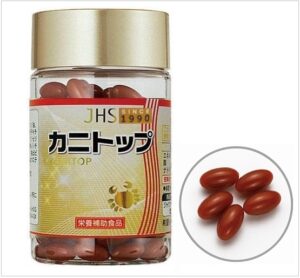
As a dialysis patient, I had to be incredibly careful. One wrong move with potassium intake could lead to cardiac arrest. However, after studying the research myself, I learned that KANITOP (a high-quality Chitin/Chitosan supplement) is potassium-free and carries no such risk for patients in my position. With a flicker of hope, I decided to try it.
The Transformation
The changes were gradual but profound:
1 Month: My irregular digestion finally stabilized.
3 Months: The excruciating back pain that kept me awake at night vanished. I could finally sleep through the night.
12 Months: I started sweating again—something my body hadn’t done in years.
Reclaiming My “Quality of Life”
Regaining my physical health transformed my mental state. I went from being housebound to feeling a surge of optimism. For the first time in decades, I went fishing in the sea all by myself.
I still undergo dialysis three times a week, but the rest of my time is mine. I live like anyone else. I can finally pursue my hobbies and enjoy life.
There were times when I cried out, “Why is this happening to me?” But today, those thoughts are replaced with gratitude. I truly understand the meaning of “Quality of Life” (QOL) now, and I am deeply thankful for the miracle that KANITOP (a high-quality Chitin/Chitosan supplement) brought into my life.
Note: Personal testimonial only. Results may vary. Always consult a medical professional for medical judgment.
Check the exact supplement I used here:
Expert Commentary
By James Carter
M.D., Ph.D.
Understanding Chronic Kidney Disease (CKD) and Dialysis
What is Chronic Kidney Disease (CKD)?
Chronic Kidney Disease (CKD) is a condition where kidney function deteriorates over months or years. Eventually, when function drops below 30%, the kidneys can no longer effectively purify the blood or maintain the body’s internal balance (homeostasis).
Clinically, this is marked by blood test results showing Blood Urea Nitrogen (BUN) levels above 30 mg/dL and Creatinine levels rising above 2.0–3.0 mg/dL. This decline leads to abnormalities in water and electrolyte balance, causing conditions such as:
Acidosis (increased acidity in the blood)
Hyperkalemia (high potassium)
Hyponatremia (low sodium)
Hyperphosphatemia (high phosphorus)
Hypocalcemia (low calcium)
Check the exact supplement I used here:
The Role of Dialysis
When kidney function significantly declines, water, electrolytes, and protein metabolic waste products—which should normally be excreted in urine—accumulate in the blood. Dialysis is performed to correct these imbalances.
By removing excess water and electrolytes, correcting acidosis, and filtering out uremic toxins, dialysis helps maintain homeostasis. This treatment not only extends the patient’s life but also enables their reintegration into society. Typically, sessions are conducted 3 to 4 times a week, lasting 3 to 4 hours per session.
Dietary Management and Restrictions
Dietary therapy is essential to compensate for the kidney’s diminished regulatory capacity and to prevent the accumulation of harmful substances.
Protein: The goal is to prevent the buildup of nitrogenous waste. The general guideline is 0.6–0.8g per kg of body weight, though these restrictions may be relaxed once dialysis begins.
Energy (Calories): Sufficient energy is vital for daily activity, primarily sourced from carbohydrates and fats. However, excessive fat intake can lead to hyperlipidemia or arteriosclerosis. The recommended fat intake is 40–60g per day, with a polyunsaturated to saturated fat ratio of 1.0 to 1.5. Carbohydrate intake should be approximately 5–6g per kg of body weight.
Sodium, Phosphorus, and Fluid: These must be strictly monitored and kept to a minimum.
The Danger of Potassium
In kidney failure, the excretion of potassium through urine decreases. If serum potassium levels rise (Hyperkalemia), it can have a severe impact on the heart, potentially leading to cardiac arrest.
Therefore, oral potassium intake must be strictly limited. Patients should avoid overconsuming potassium-rich foods such as fruits, raw vegetables, and legumes. A helpful tip is to boil vegetables in water and discard the cooking liquid before eating to reduce their potassium content.
Check the exact supplement I used here:
Comment