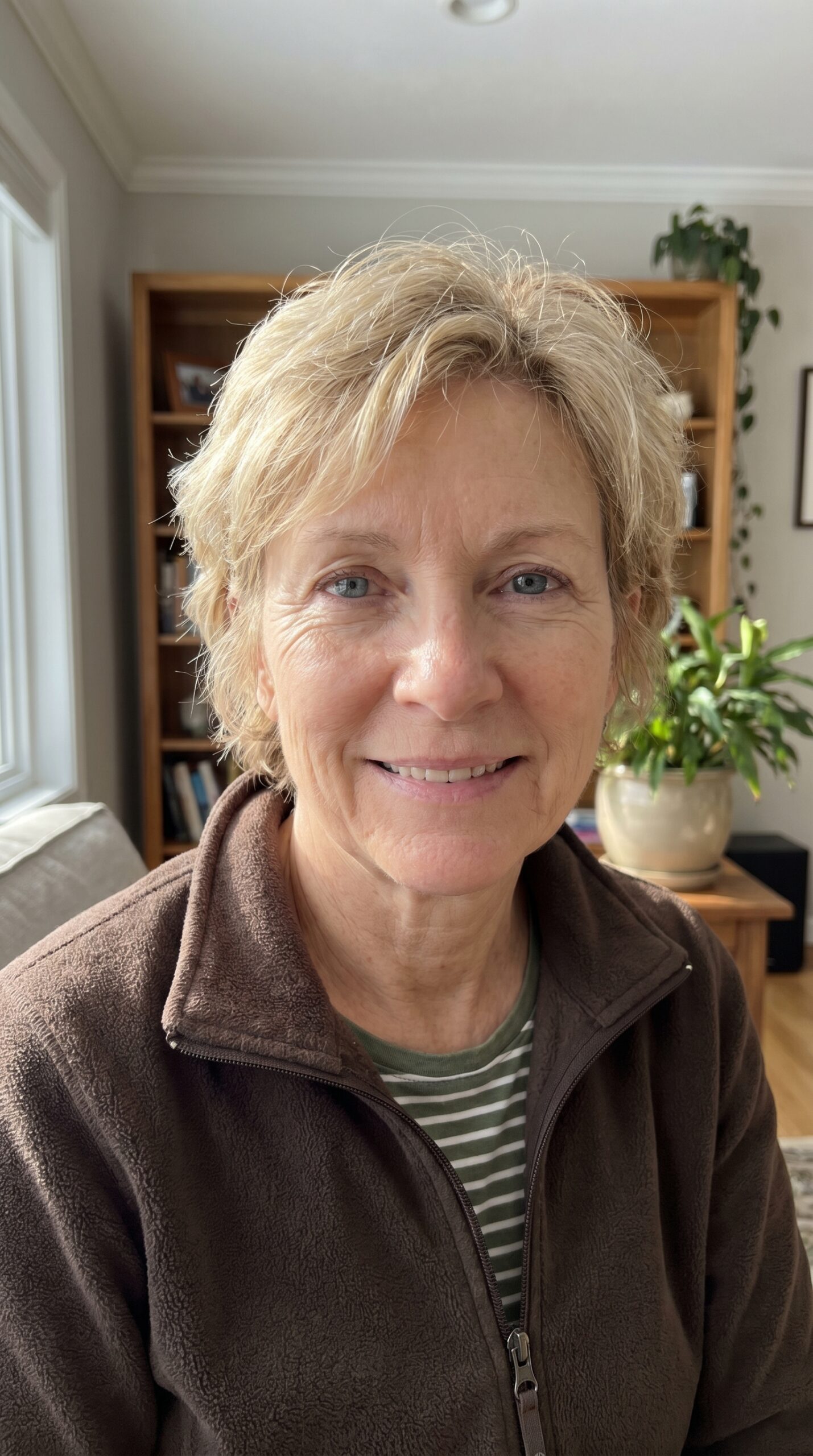
Being freed from insomnia led to improvements in other symptoms as well.

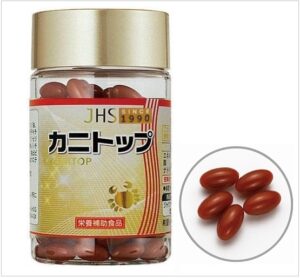 Check the exact supplement I used here:
How I Overcame Severe Insomnia and Depression
Diagnosis: Insomnia and Depression
Patient: A 58-Year-Old Woman
At 49, my life took a drastic turn. I underwent surgery to remove my uterus and ovaries due to polyps. While the surgery was successful, the aftermath was a nightmare I never expected.
The Night the Peace Ended
The hormonal shift completely disrupted my autonomic nervous system. That very first night, severe insomnia set in. Whenever darkness fell, I would be seized by coughing fits so violent I felt as though my internal organs might burst. The pain was unbearable.
The hospital prescribed medication, but a nurse pulled me aside and whispered a warning: “Be careful. These are highly addictive; if you take them for three days, you might never be able to stop.” Terrified of dependency, I refused to take them, even though my insomnia was becoming unbearable.
Living in a Shadow
Even after returning home, my condition worsened. I couldn’t eat, go out, or handle basic housework. I eventually spiraled into a deep depression, reaching a point where I felt I was losing my grip on reality. I spent my days in a daze, constantly checking my own pulse just to confirm I was still alive.
I sought professional help, but the words from my doctor were crushing:
“depression is something you will have to live with for the rest of your life. It won’t be cured.”
I was spending nearly $350 a day on various treatments—acupuncture, moxibustion, hormone injections—visiting five different clinics daily. I trusted the medical system, but I wasn’t getting better, and my insomnia only grew more severe.
An Unexpected Turning Point
Eight years ago, a relative introduced me to KANITOP (a high-quality Chitin/Chitosan supplement). Running my own esthetic salon, I had seen many “health trends” come and go, and I was skeptical. I refused to try it for three months.
However, a client of mine, who was very knowledgeable about holistic health, also recommended it. I decided to give it a sincere try.
The Light at the End of the Tunnel
For the first three weeks, nothing happened. But in the fourth week, the miracle occurred: I finally slept.
Once I regained my sleep, my body began to heal itself. Gradually, my energy returned, and the dark cloud of depression began to lift. Since that turning point, I haven’t had a single sleepless night.
My Mission Today
KANITOP (a high-quality Chitin/Chitosan supplement) didn’t just improve my health; it saved my life. I went from being told I would “never recover” to feeling confident and vibrant again.
Today, I want to be a beacon of hope for those suffering from depression and chronic illness. If you are in the middle of your darkest night, please know that recovery is possible. I am living proof that you can find your way back to the light.
Note: Personal testimonial only. Results may vary. Always consult a medical professional for medical judgment.
Check the exact supplement I used here:
Expert Commentary
By James Carter
M.D., Ph.D.
Depression
Understanding Depression
While the exact biological mechanisms behind depression are still being fully uncovered, it is important to know that with proper treatment, recovery is absolutely possible.
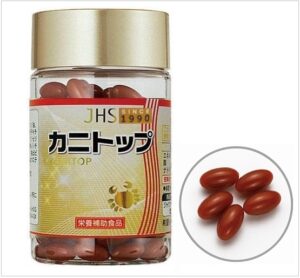
Check the exact supplement I used here:
Common Symptoms and Tendencies
Demographics: There is a notable trend of depression increasing with age.
Emotional Impact: The primary symptoms include persistent feelings of melancholy and a profound loss of motivation to engage in any activity.
Physical Signs: Patients often lose their appetite and remain in a deeply despondent state.
Identifying Depression in Older Adults
In older patients, the condition often manifests through physical complaints rather than just emotional ones. These may include:
- Chronic insomnia
- Loss of appetite
- Persistent constipation
- A heavy sensation in the head
Among these, prolonged insomnia is a critical diagnostic symptom that should not be overlooked.
A Note on Supporting Loved Ones
When we see someone feeling down, our natural instinct is to offer words of encouragement. However, for someone battling depression, words of “encouragement” can often have the opposite effect.
A defining characteristic of depression is that the individual is already struggling desperately to “pull themselves together.” In this fragile state, well-meaning encouragement or consolation can feel like a demand they cannot meet, leading them to blame themselves even more harshly.
The Path to Recovery
The good news is that the number of cases successfully treated with modern antidepressants and appropriate care is steadily increasing. There is a path forward.
Check the exact supplement I used here:
Comment