
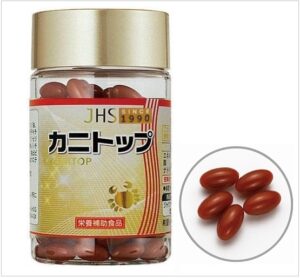
 Check the exact supplement I used here:
Cerebral Infarction (Ischemic Stroke): A Survivor Story — Moving from 14 Daily Medications to a Life of Travel
Diagnosis: Cerebral Infarction (Ischemic Stroke)
Patient: A 52-Year-Old Man
Three years ago, my life took an unexpected turn. An arrhythmia led to a blood clot, which caused a cerebral infarction (ischemic stroke). I was devastated, but I refused to give up.
The Long Road to Recovery
For two and a half years, I committed myself to intensive rehabilitation at hospitals and clinics. Thanks to the dedication of my doctors and my own persistence, I recovered about 70% from the cerebral infarction (ischemic stroke). However, the final 30% felt like a brick wall. My middle, ring, and pinky fingers on my left hand remained curled and stiff—a constant reminder of the cerebral infarction (ischemic stroke). To make matters worse, I was laid off from my job due to my health condition. It was a dark time.
A Turning Point
That’s when a friend of 20 years introduced me to KANITOP (a high-quality Chitin/Chitosan supplement). I started reading up on it and found a story about someone who regained limb mobility after a cerebral thrombosis. I felt a spark of hope—could this work for my cerebral infarction (ischemic stroke) recovery too?
I decided to go all-in. I consumed a significant amount of KANITOP (a high-quality Chitin/Chitosan supplement) over 25 days. Then, something strange happened: for five days, I had black stools. Usually, that would be alarming, but instead, I felt an incredible sense of lightness and well-being.
The Miracle Morning
On the morning of the fifth day, my family noticed it first. “Your fingers!” they cried. I looked down, and to my absolute shock, my fingers—which had been curled for years due to the aftereffects of a stroke—had returned to their normal state. It was a miracle born from the synergy of daily rehabilitation and the support of KANITOP (a high-quality Chitin/Chitosan supplement). I will never forget that moment of pure joy.
Surprising the Doctors
My recovery didn’t stop there. In my biannual blood test, my cholesterol levels had dropped to normal. However, my liver function markers were still high. Trusting what I had read, I continued my Chitin/Chitosan regimen for another 20 days and went back for a retest.
The results were stunning. Every single marker had dropped. My doctor was so surprised he asked if I had quit drinking! When I told him about the KANITOP (a high-quality Chitin/Chitosan supplement), he simply smiled and nodded—it seemed he already knew about its potential power.
Living Life to the Fullest
Today, I am free from the 14 different medications I used to take. My doctors tell me the risk of cerebral infarction (ischemic stroke) recurrence is gone. I spend my days traveling and staying active, feeling better than ever.
I’m sharing my story because I want others to know that there is hope. If my experience can help even one person find their path back to health, then sharing this was worth it.
Note: Personal testimonial only. Results may vary. Always consult a medical professional for medical judgment.
Check the exact supplement I used here:
Expert Commentary
By James Carter
M.D., Ph.D.
Cerebral Infarction (Ischemic Stroke)
English Translation: Understanding Cerebral Infarction
A cerebral infarction occurs when a blockage in a cerebral artery restricts blood flow to the brain. This leads to a deficiency of oxygen and nutrients, causing brain cells to undergo necrosis (cell death). Historically, this condition was commonly referred to as “softening of the brain.”
Cerebral infarctions are categorized into two main types based on how the blood vessel becomes blocked:
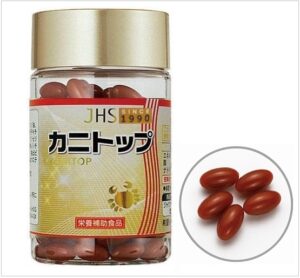
Check the exact supplement I used here:
1. Cerebral Thrombosis
Cerebral thrombosis occurs when arteriosclerosis (hardening of the arteries) causes the vessel walls to thicken. A blood clot (thrombus) then forms at the site, partially or completely obstructing the artery. A key characteristic of this type is that it often occurs when blood pressure is low, such as during sleep.
2. Cerebral Embolism
A cerebral embolism is caused by a clot that forms elsewhere in the body—typically due to heart conditions such as valvular heart disease, myocardial infarction, or atrial fibrillation (a type of arrhythmia). The clot breaks loose, travels through the bloodstream to the brain, and suddenly blocks a cerebral vessel.
Symptoms and Risks
A defining feature of an embolism is the sudden onset of symptoms, such as hemiplegia (paralysis on one side of the body) or aphasia (loss of speech), without any prior warning. In many cases, consciousness gradually fades, which can lead to a coma and, unfortunately, may result in death.
Check the exact supplement I used here:
Comment